Thinking about leaving the coast but not ready to give up charm, convenience, or a strong housing market? If you are relocating to Redlands from Orange County or San Diego County, you are probably weighing more than just price. You want to know what your money buys, how the commute might change, and what the move really feels like day to day. This guide walks you through the biggest tradeoffs and opportunities so you can plan your move with more clarity. Let’s dive in.
Why Redlands Gets Attention
For many coastal California buyers, Redlands stands out because it offers a lower entry price than nearby coastal counties while still feeling established and distinctive. It is not simply an inland alternative with newer tract housing and a slower pace. Redlands has a character-rich housing mix, a historic downtown, and a market that still moves quickly.
That combination matters when you are trying to reset your budget without feeling like you are settling. If you are coming from a condo or townhome search near the coast, Redlands may open the door to different property types, including detached single-family homes, larger lots, or older homes with more architectural detail.
Redlands Home Prices vs Coastal California
The biggest shift for most relocators is the cost comparison. Based on current Zillow data, Redlands has a typical home value of $638,729 and a median sale price of $644,167.
By comparison, Orange County’s typical home value is $1,194,407 and its median sale price is $1,123,167. San Diego County’s typical home value is $941,931 and its median sale price is $875,000.
That means Redlands is about 46.5% lower than Orange County and 32.2% lower than San Diego County on typical home value. On median sale price, Redlands is about 42.6% lower than Orange County and 26.4% lower than San Diego County.
What That Price Gap Can Mean
A lower price point can change your search in a meaningful way. Depending on your budget, you may be able to move from attached housing into a detached home, gain more outdoor space, or prioritize architectural character that might be harder to reach in many coastal areas.
That said, affordability is not just about the purchase price. You still need to budget for property taxes, homeowner’s insurance, repairs, and any HOA dues, not just your monthly mortgage payment.
Redlands Is Not a Slow Market
Some buyers assume that moving inland means the market will be easier and slower. The data does not really support that idea.
Redlands homes go pending in about 18 days. That is very close to 17 days in Orange County and 21 days in San Diego County.
Why Speed Still Matters
If you are relocating from the coast, it helps to treat Redlands as an active market from the start. A lower purchase price does not automatically give you endless time to decide.
This is one reason a process-driven plan matters. If you wait to sort out financing, timing, or touring logistics until after you find a home you like, you can lose momentum quickly.
Commute Planning in Redlands
Lifestyle is one side of the move. Transportation is the other.
The City of Redlands notes that the area is close to the 91, 215, 210, and 15 freeways and sits off Interstate 10. In practical terms, that means commute planning is usually freeway-first.
If you are used to living near the coast, this can be one of the biggest adjustments. Your daily routine may depend more on freeway access, timing, and route planning than it did before.
What About Train Options?
Metrolink’s Arrow service links Redlands and San Bernardino through five stations and connects to the broader Metrolink network. For some Inland Empire commuting patterns, that can be a useful option.
Still, it is best to view Arrow as a regional tool rather than a direct replacement for a coastal commute. If your work or regular travel still ties you to Orange County or San Diego, you will want to map those trips carefully before choosing a home.
The Lifestyle Shift Beyond Price
A move to Redlands is not only about buying more house for the money. It is also about a different day-to-day setting.
City materials highlight a walkable historic downtown along with landmarks like A.K. Smiley Public Library and the Redlands Bowl. That gives the city a more established, neighborhood-oriented core than many buyers expect when they first start looking inland.
For some relocators, that blend of history, local identity, and convenience is part of the appeal. You may be trading some coastal proximity for a city with a strong sense of place and a more traditional downtown environment.
What Homes in Redlands Look Like
If you are coming from newer coastal communities, Redlands may feel visually different right away. The city has eight locally designated historic districts plus the Santa Fe Depot National Historic District.
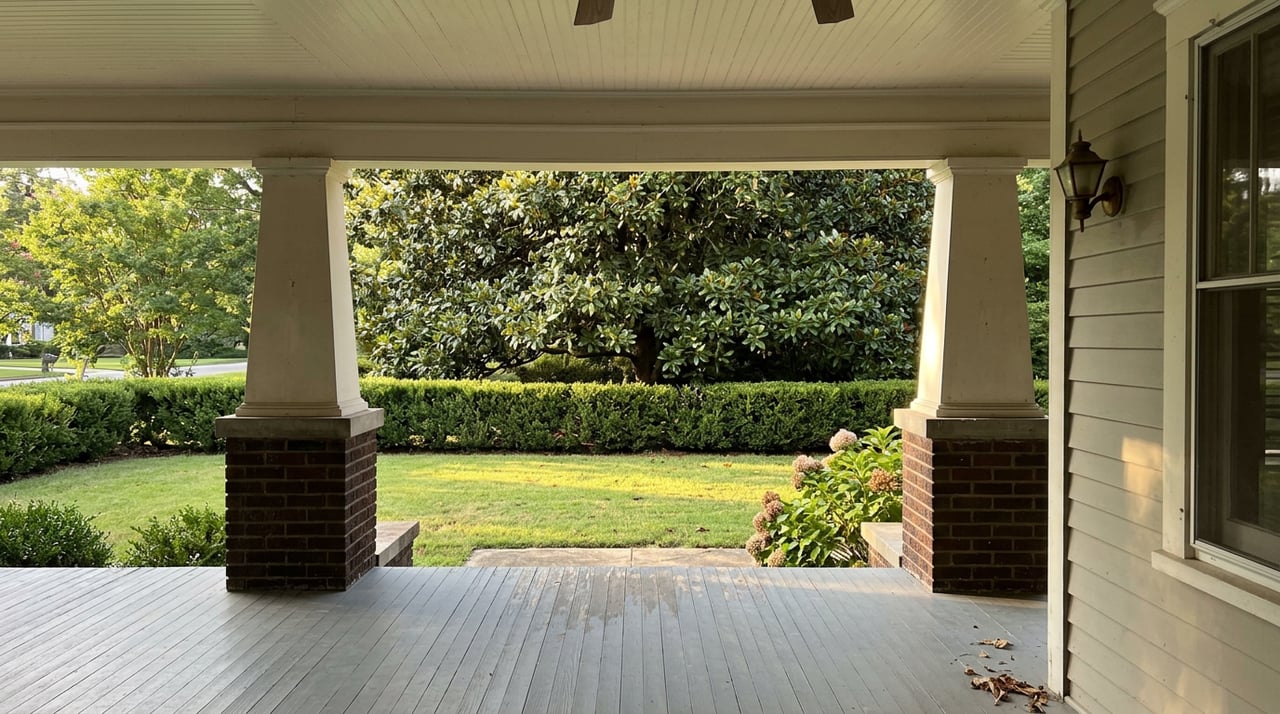
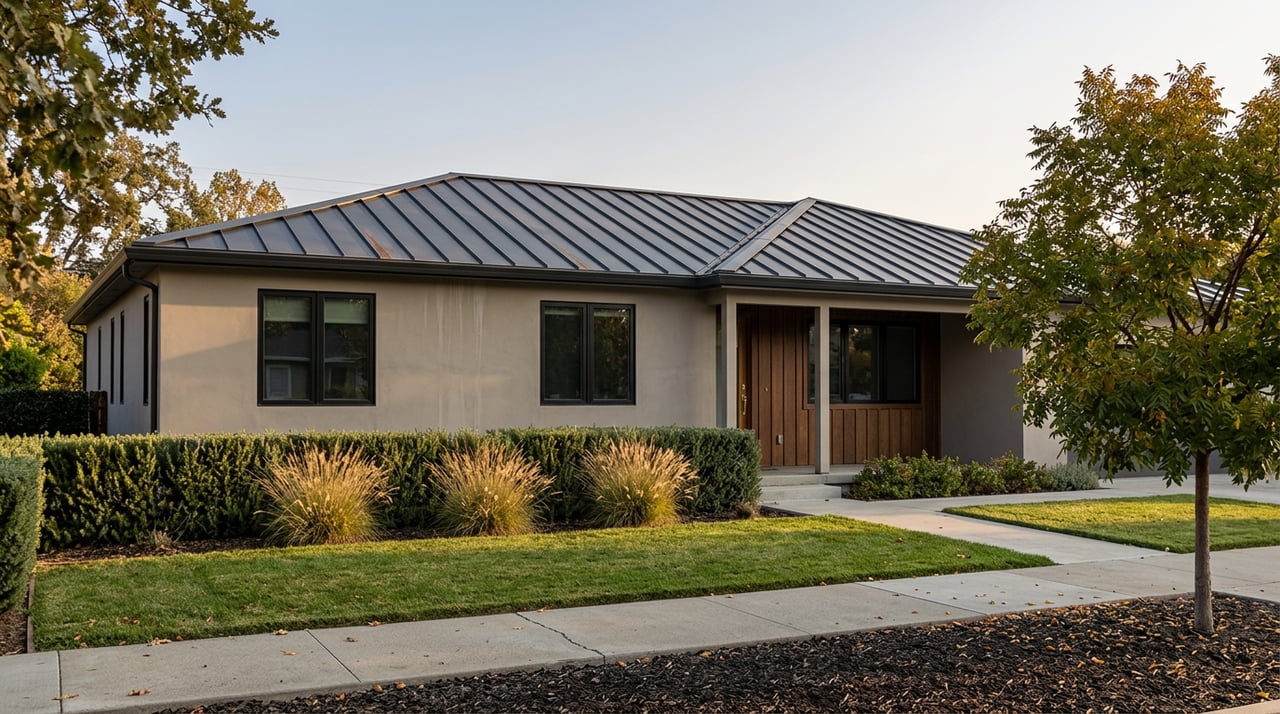
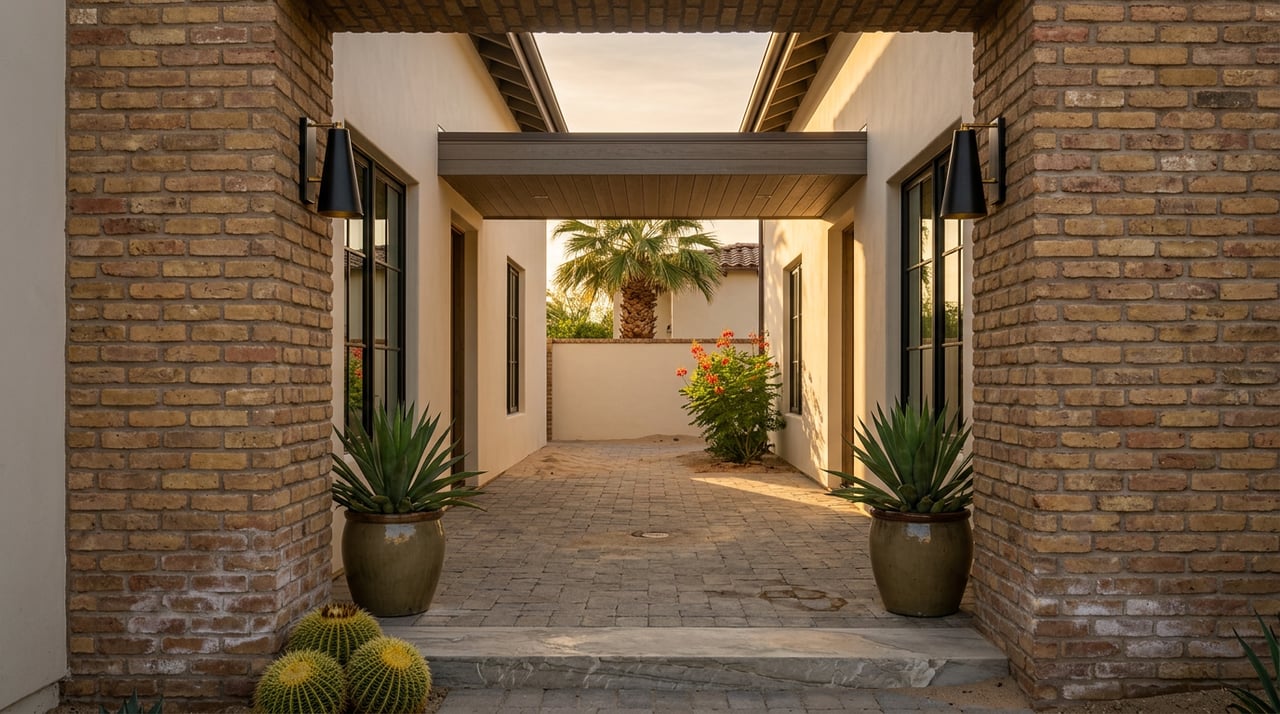
City design guidance identifies a wide range of architectural styles found in Redlands. These include Victorian, Queen Anne, Craftsman, Bungalow, Mission, Mediterranean, Spanish Colonial Revival, Classic Box, Colonial Revival, Classical Revival, and other period-revival styles. Another city source also points to common neighborhood styles such as Craftsman, Ranch, Spanish, and Mid-Century Modern.
Why Character Buyers Notice Redlands
This variety gives Redlands a more character-driven housing mix than many newer suburban markets. In the West Highland Avenue Historic and Scenic District, for example, homes are mostly one- and two-story single-family residences on large lots, with many Victorian-era and Arts & Crafts sub-styles plus some post-World War II infill.
If architectural detail matters to you, Redlands can offer options that feel less uniform and more rooted in local history. That can be a big draw for buyers who want something other than a standard floor plan.
Historic Districts Require Extra Attention
Older homes can be appealing, but they may also come with extra rules. If a home is in a designated historic or scenic district, the City of Redlands uses architectural design guidelines and permit review for exterior changes and additions.
That does not mean you should avoid historic homes. It just means you should confirm the property’s status early and understand how those guidelines could affect future projects.
Smart Questions to Ask
Before you write an offer on an older home, it helps to ask:
- Is the property in a historic or scenic district?
- Are there city design guidelines for exterior work?
- Would future additions or visible changes require additional review?
- Does the home’s character come with maintenance needs you should budget for?
These are practical questions, especially if you are relocating and making quick decisions from a distance.
How To Plan a Remote Move to Redlands
If you are moving from the coast, your search often works best when it is more structured than a typical local move. A process-first approach can save time, avoid rushed decisions, and keep your timeline realistic.
One smart starting point is to compare your budget with pricing in Redlands early. It also helps to get lender preapproval before the search gets serious, since buyers can miss homes when they are not ready to act.
A Practical Search Workflow
For many relocators, this sequence works well:
- Set your price range and loan target.
- Compare current home prices in Redlands with your current market.
- Shortlist areas and home styles that fit your daily routine.
- Use virtual tours and floor plans to narrow options.
- Schedule in-person tours around your strongest candidates.
- Be ready to move quickly once the right home appears.
Virtual tours can be especially helpful when you are trying to understand layout from a distance. They are not a replacement for seeing a home in person, but they can make your search much more efficient.
If You Need To Sell First
Some coastal buyers need to sell their current home before buying in Redlands. In that case, planning the move as a sequence instead of a single event can reduce overlap risk and make the transition easier to manage.
Consumer guidance notes that people normally try to sell before buying another home. If that is your situation, your budget, timing, and offer strategy should all reflect that reality from the beginning.
Think in Phases
A phased plan often looks like this:
- Prepare your current home sale timeline
- Set your Redlands target budget based on likely proceeds
- Narrow your search before your home closes
- Coordinate inspections, lender steps, and moving dates carefully
This kind of move is where clear communication and steady coordination really matter. When you are juggling two transactions, details can pile up fast.
What Happens After Your Offer Is Accepted
Once your offer is accepted and you choose a lender, the closing process begins. At that point, there are still several important steps ahead.
You will typically need a home inspection, homeowner’s insurance, title insurance, and lender document review. The lender must provide the Closing Disclosure at least three business days before closing, and closing is the final step in the purchase process.
Why Good Coordination Matters
For relocators, this stage can feel busy because many pieces move at once. Inspection timing, insurance setup, title work, lender conditions, and move planning all overlap.
A calm, organized process helps you avoid surprises and stay focused on the decisions that matter. That is especially important when you are managing the transaction from another city or county.
If you are weighing a move from coastal California to Redlands, the goal is not just to find a lower price. It is to make a smart move that fits your budget, commute, and lifestyle with fewer surprises along the way. Redlands offers a meaningful cost reset, a distinctive housing mix, and a market that still rewards preparation. If you want a clear plan for comparing neighborhoods, timing your move, and navigating the details from start to finish, John Wagner is here to help.
FAQs
What is the typical home value in Redlands compared with Orange County?
- Redlands has a typical home value of $638,729, compared with $1,194,407 in Orange County.
How fast do homes go pending in Redlands?
- Homes in Redlands go pending in about 18 days, which is similar to Orange County at 17 days and San Diego County at 21 days.
What commuting options should Redlands buyers expect?
- Redlands is generally a freeway-first city for commuting, with access near the 91, 215, 210, 15, and Interstate 10, and Arrow rail service also connects Redlands with San Bernardino.
What home styles are common in Redlands?
- Redlands includes a wide mix of styles such as Craftsman, Ranch, Spanish, Mid-Century Modern, Victorian, Bungalow, Mediterranean, and Spanish Colonial Revival.
What should buyers know about historic homes in Redlands?
- If a property is in a designated historic or scenic district, exterior changes or additions may be subject to city design guidelines and permit review.
How should coastal California buyers start planning a move to Redlands?
- Start by setting your budget, getting preapproval, comparing Redlands prices with your current market, and using virtual tours and floor plans to narrow options before making a trip.