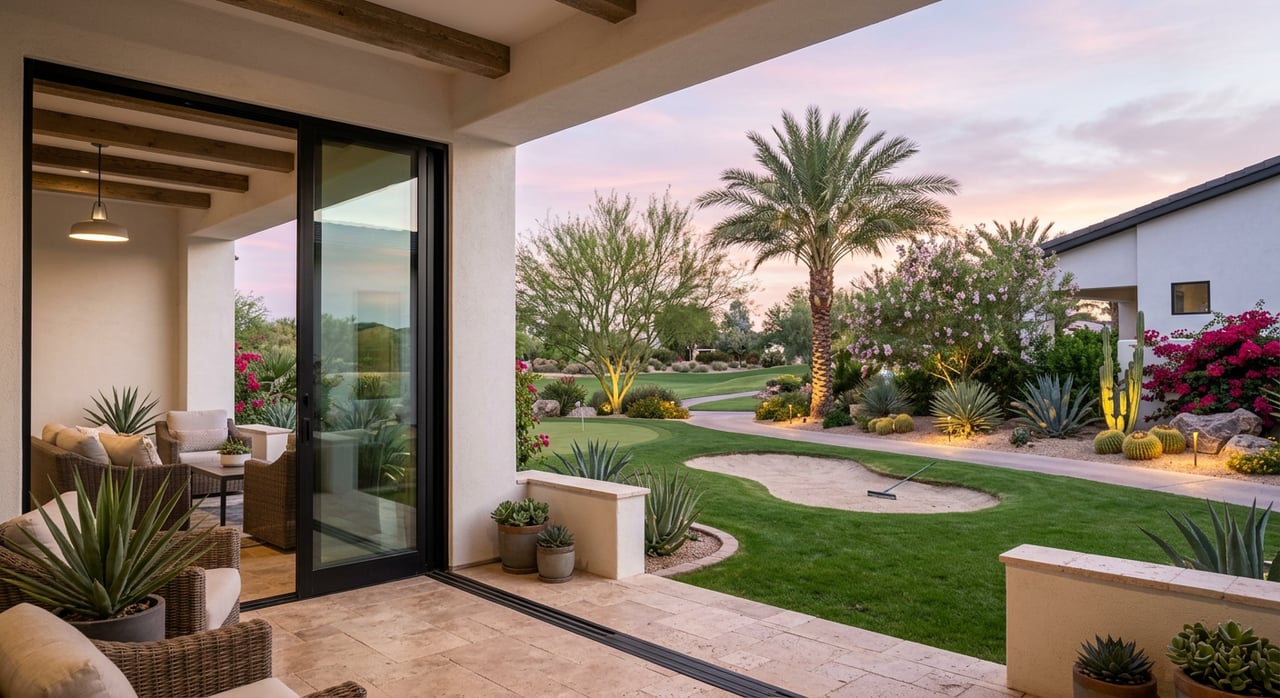
If you picture crisp mornings on the fairway, mountain views at sunset, and an easy lock‑and‑leave lifestyle, Palm Desert’s golf and resort communities might be exactly what you’re after. The city sits at the heart of the Coachella Valley’s club culture, with well over 30 golf courses in and around Palm Desert, plus a deep mix of amenities and social programming that keeps life active and convenient. Whether you’re a snowbird, a retiree, or shopping for a second home, you want a clear, practical picture before you buy. This guide breaks down community types, amenities, HOA and club models, and the key questions to ask so you can choose with confidence. Let’s dive in.
What living in Palm Desert clubs feels like
Life inside Palm Desert’s golf and resort neighborhoods revolves around sunshine, recreation, and connection. You’ll find walkable clubhouses, fitness centers, pools, and pickleball courts, plus golf from casual nine‑hole loops to private championship layouts. Winters are the social peak, when snowbirds arrive, club calendars fill, and local events on El Paseo add extra energy.
You don’t have to be a golfer to enjoy it. Many residents prioritize fitness classes, dining, arts and crafts studios, and interest groups. With so many communities in one city, you can match your lifestyle to the right setting, from low‑maintenance condos to high‑end custom estates.
For big‑picture context, Palm Desert is widely recognized for its extensive course count and resort lifestyle, with dozens of courses in and near the city that anchor the area’s identity as a golf destination. You can see that regional snapshot in the city’s overview on Palm Desert’s Wikipedia page.
Community types at a glance
55+ active‑adult master plans
If you want built‑in social life, broad amenities, and low‑maintenance living, start with Sun City Palm Desert. It spans about 1,600 acres with nearly 5,000 homes, two 18‑hole courses, three clubhouses, fitness centers, pools, and 80‑plus clubs and activities. The association is self‑managed, and the community is designed to keep many services close to home. Explore the amenity and governance details on the Sun City Palm Desert site.
Private member‑owned country‑club neighborhoods
Member‑owned clubs often pair architectural character with a compact, neighborly feel. At Marrakesh Country Club, you’ll see distinctive Hollywood Regency residences by architect John Elgin Woolf, approximately 360 homes on about 155 acres, and a membership model tied to homeownership. Learn more about the club’s identity and membership structure at the Marrakesh Country Club website.
Resort‑style condos and planned‑unit developments
Condo and townhome communities deliver a true lock‑and‑leave setup. Units cluster around golf courses and resort amenities, and HOAs typically handle exterior maintenance and common spaces. Rental policies and fees vary by HOA, so you’ll want to read the rules closely. For a neighborhood directory and a feel for this product type, browse the Palm Desert Resort Country Club real estate page.
Luxury private golf enclaves
If privacy, prestige, and top‑tier amenities are at the top of your list, Palm Desert’s luxury enclaves will stand out. Signature clubs such as Bighorn attract full‑time residents and second‑home buyers who want high‑caliber golf, curated dining, and concierge‑style services. Expect separate club initiation and dues structures at the high end, which should be confirmed directly with each club before you buy.
Manufactured‑home golf communities (55+)
Manufactured‑home neighborhoods can offer an affordable alternative without giving up course access. Palm Desert Greens is a guard‑gated 55+ community built around an 18‑hole executive course, with a clubhouse and a focus on efficient, low‑maintenance living. You can review amenities and community life on the Palm Desert Greens Country Club site.
Municipal course living and nearby neighborhoods
Not every golf lifestyle requires a private membership. Desert Willow Golf Resort is a city‑owned, high‑quality daily‑fee facility with two championship 18‑hole courses, operated for the City of Palm Desert. Nearby neighborhoods let you enjoy public play and practice without the obligations of a private club. Read about its public‑access model on the Desert Willow Golf Resort page.
Amenities and daily life
What you actually use
Most modern communities offer a familiar mix: golf, pro shops, practice facilities, resort pools, fitness centers, tennis and growing pickleball programs, plus clubhouses with dining and event spaces. Larger master‑planned communities may add postal or business centers, walking paths, arts studios, and even RV storage. Sun City’s amenity map is a good single example of how complete the lifestyle can be. You can scan that mix on the Sun City Palm Desert site.
The social calendar
In 55+ master plans, the social calendar is often dense, with clubs, classes, shows, and seasonal tournaments. In private member‑owned clubs, expect golf events, dining series, and member mixers. Condo and resort‑style developments tend to run a lighter schedule geared to visitors and short‑stay owners. Citywide, winter and early spring bring extra buzz with El Paseo Food & Wine, Fashion Week El Paseo, and regional golf happenings.
HOAs and club costs: how it works
The money flows to understand
- HOA dues. Your HOA covers common‑area care, landscaping, pools, clubhouse staffing, and reserve funding. Dues vary widely based on services and scale. Sun City, for example, highlights on‑site staffing and a focus on keeping recurring resident costs efficient for the amenity set. Review the most recent HOA budget and reserve study before you commit.
- Club membership. In private clubs, golf and clubhouse access usually require separate membership with monthly dues and sometimes an initiation or transfer fee. Always confirm current pricing and any waitlists directly with the club.
- Pay‑as‑you‑play options. At municipal or daily‑fee resorts like Desert Willow, you can play without an equity membership. Some offer resident discounts or card programs. See the model described on the Desert Willow site.
Membership models you’ll see
- Included with ownership. Some clubs integrate a resident membership as part of buying within the community. Marrakesh is a helpful example of how resident‑based membership can work. Read about it at the Marrakesh Country Club website.
- Separate initiation plus dues. High‑end private clubs often use an equity or entrance fee plus ongoing dues. Fees change regularly, so treat any published figures as starting points and verify with the membership office.
- Public access with optional perks. Municipal or daily‑fee resorts allow public play and optional discount cards, which can reduce fixed costs if you prefer flexibility.
Governance and day‑to‑day management
Associations in Palm Desert are either self‑managed with on‑site teams or run by professional management companies. Self‑managed master plans like Sun City maintain robust on‑site staffing, which can streamline service and communication for residents. Regardless of model, ask for the most recent audited financials, reserve study, and a copy of the rules and regulations. Sun City outlines its self‑management structure on the official community site.
Practical steps before you buy
Read the documents that matter
Before you make an offer, gather and review:
- CC&Rs, Bylaws, and Rules and Regulations. Pay special attention to rental rules, pet policies, use restrictions, and quiet hours.
- Current financial statements and the reserve study. Look for pending or proposed special assessments.
- Club membership rules. Confirm whether golf or social membership is mandatory, optional, or included with homeownership, and whether there is a waitlist.
- Architectural guidelines. Understand processes for exterior changes such as solar, shade structures, and landscape updates.
Understand renting and short‑term rentals
Short‑term rentals in Palm Desert require city permits and transient occupancy tax registration, and many HOAs impose additional restrictions or bans. Always confirm both the city’s permit requirements and the HOA’s rules for your specific address. You can start with the City of Palm Desert’s short‑term rental page.
Taxes, insurance, and operating costs
- Property taxes. Riverside County bills property tax and assessments. Effective rates vary by parcel due to local bonds and district assessments. Ask the county treasurer or assessor for a parcel‑level estimate before you finalize your budget.
- Home insurance. Carriers may evaluate wind, heat, wildfire interface, or flood exposure differently across the valley. Get quotes early and ask about mitigation steps that could improve insurability.
- Utilities and maintenance. Many communities use recycled or treated water for course irrigation and encourage xeriscaping to reduce outdoor use. Expect to enjoy outdoor features most in winter and shoulder seasons, with summer adjusted for heat. Sun City provides a practical example of how large communities manage water‑wise amenities on the community site.
Health access and year‑round living
If you plan to live here full time, map drive times to your preferred medical providers and daily services. Palm Desert’s central shopping and medical corridors serve a wide area, and large master plans are designed to keep many needs close by. Sun City’s on‑site scale is one example of that intention, described on the official site.
Where to start touring and when
- Time your visit. Winter and early spring, roughly November through March, are prime touring months. The weather is at its best, residents are in town, and you can experience the social scene firsthand.
- Compare by lifestyle. Tour at least one 55+ master plan, a member‑owned private club, and a condo‑style development to see which rhythm and cost profile fits you.
- Walk the clubhouse path. Dine on site, observe afternoon activity at the pool or pickleball courts, and ask about the weekly calendar. You’ll quickly sense how each community lives.
- Verify fees in person. Sit down with the membership office and HOA reps to confirm current dues, transfer policies, and any waitlists. Bring a checklist of your must‑haves and deal breakers.
A few communities to put on your list
- Sun City Palm Desert. Large‑scale 55+ living with broad amenities, self‑managed governance, and active clubs. Explore the Sun City Palm Desert site.
- Marrakesh Country Club. Architecturally distinct, member‑owned, and socially vibrant with a resident‑tied membership model. Visit the Marrakesh Country Club site.
- Palm Desert Resort Country Club and similar condo PUDs. Low‑maintenance homes with resort amenities and HOA‑managed common areas. Browse the community’s real estate page.
- Palm Desert Greens (55+ manufactured‑home). Guard‑gated efficiency with an 18‑hole executive course and clubhouse. See details at Palm Desert Greens Country Club.
- Desert Willow Golf Resort and nearby neighborhoods. Public, daily‑fee championship golf without private initiation. Learn more on Desert Willow’s site.
Ready to explore with a plan?
If Palm Desert’s golf and resort lifestyle fits your goals, the next step is a focused tour during high season, a review of HOA and membership documents, and a side‑by‑side comparison of costs and amenities. You do not have to navigate it alone. With a process‑driven approach, clear communication, and local expertise across the Coachella Valley, John Wagner can help you identify the right community, verify the details that affect your budget, and negotiate your purchase with confidence. Let’s talk.
FAQs
What is living in a 55+ Palm Desert community like?
- Expect a resort feel with fitness centers, pools, classes, clubs, and regular events, similar to the broad amenity mix outlined at Sun City Palm Desert.
How do HOA dues and club dues differ in Palm Desert golf communities?
- HOA dues fund common areas and reserves, while club dues cover golf and clubhouse privileges; some clubs add an initiation or transfer fee, so verify with each community.
Are short‑term rentals allowed in Palm Desert golf neighborhoods?
- Many HOAs restrict or ban STRs, and the City of Palm Desert requires permits and tax registration; start with the city’s short‑term rental guidance and confirm HOA rules.
When is the best time to tour Palm Desert golf and resort communities?
- Winter through early spring, roughly November to March, when weather is ideal and social calendars are active so you can experience community life.
Do I need to be a golfer to enjoy Palm Desert’s club communities?
- No; residents often join for fitness centers, pools, dining, pickleball, arts, and a built‑in social scene, with public golf options nearby if you play occasionally.