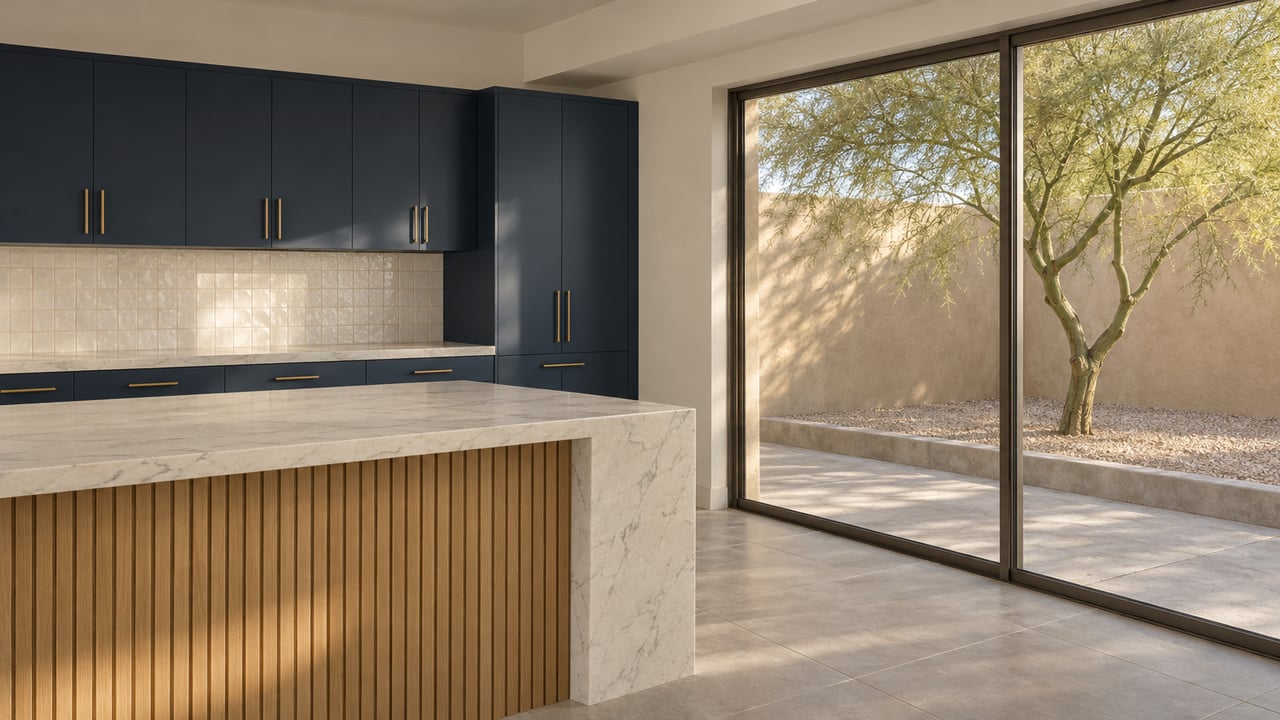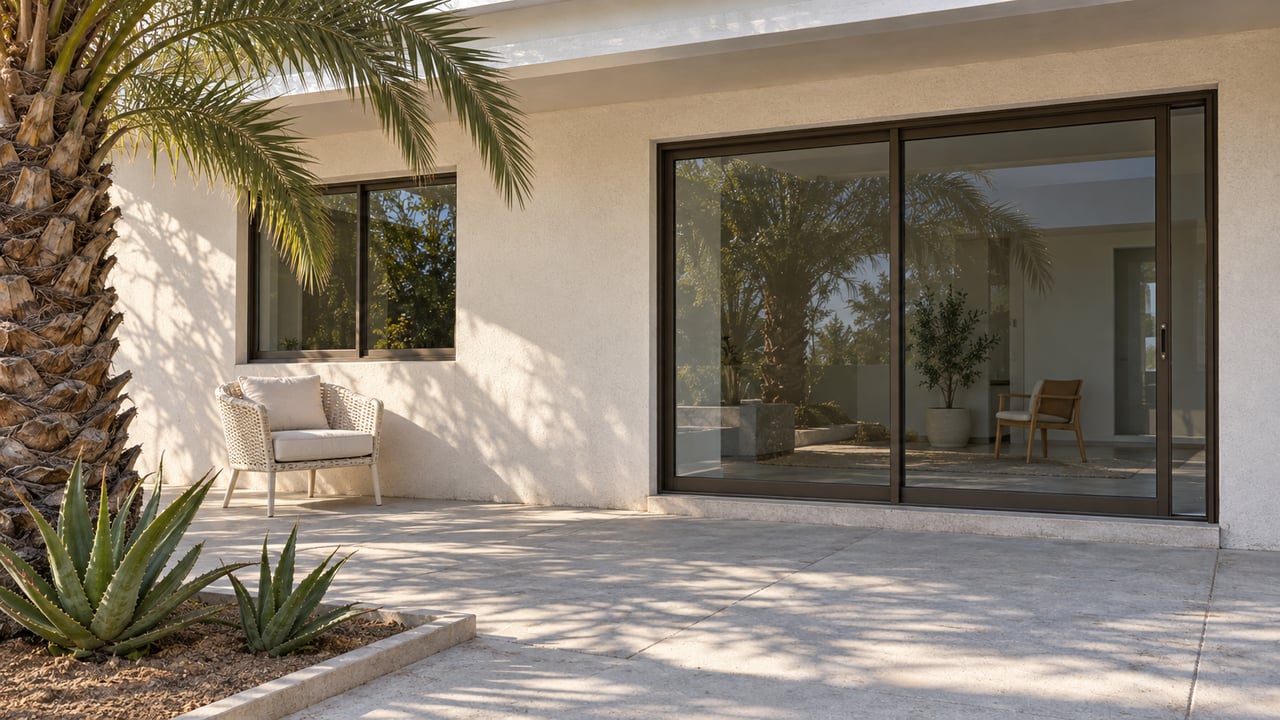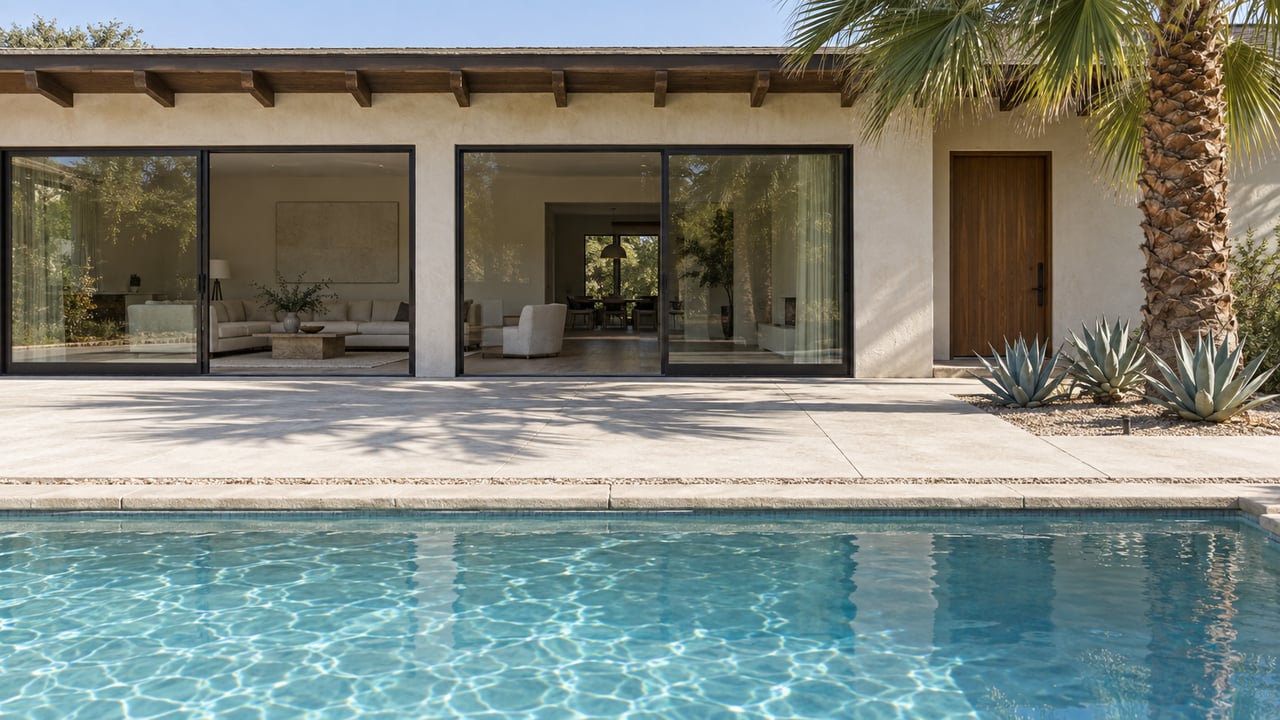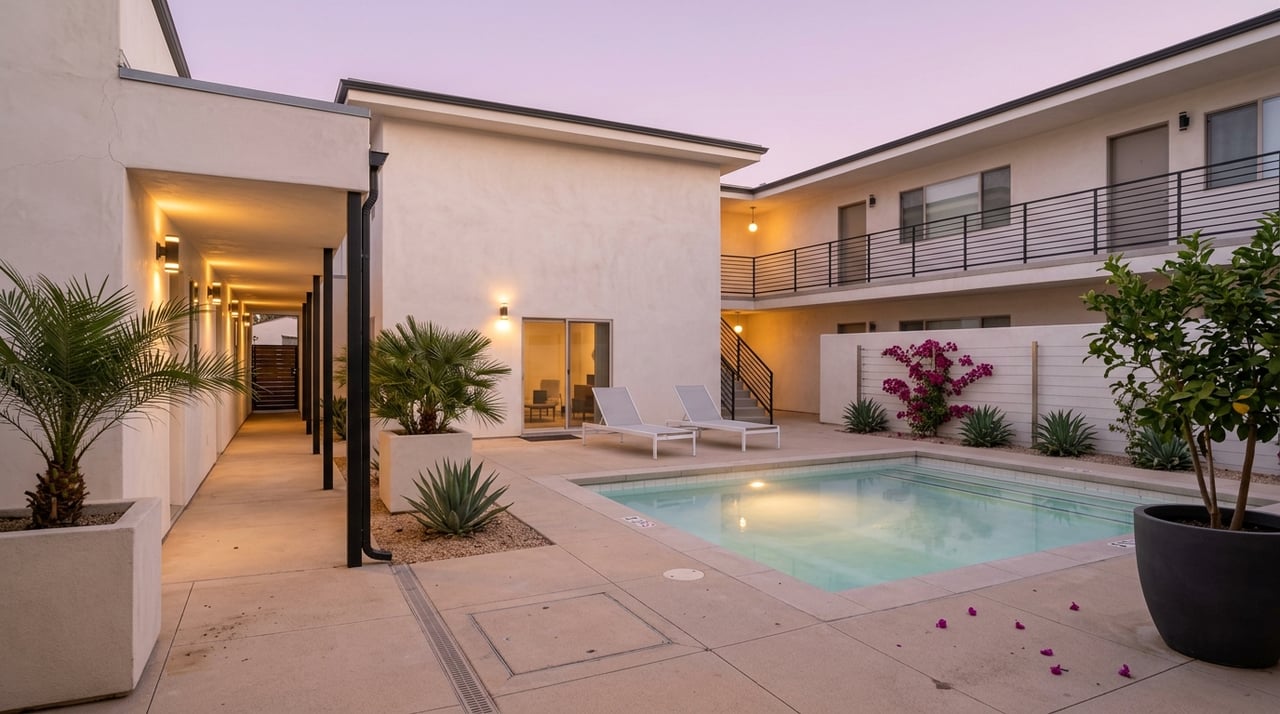
Wondering whether a Palm Springs condo or a detached home makes more sense for your second place in the desert? It is a smart question, because this choice affects your budget, your maintenance load, and even whether short-term rental plans are realistic. If you want a property that fits how you will actually use it, this guide will help you compare the tradeoffs clearly and confidently. Let’s dive in.
Why this choice matters in Palm Springs
In Palm Springs, the condo-versus-home decision is not just about style. It is also about how often you will be there, how much upkeep you want to manage, and whether you hope to generate occasional rental income.
The price gap is meaningful. Recent market data shows Palm Springs condos with a median listing price around $395,000, while the broader Palm Springs market posted a median sale price near $650,000 in April 2026. Homes were also averaging about 75 days on market, which gives buyers a useful snapshot of the current pace.
Palm Springs weather adds another layer to the decision. Average highs reach 103.6°F in June, 108.6°F in July, and 108.1°F in August, and the area averages just 4.61 inches of rain per year. In a climate like that, cooling costs, shade, exterior wear, and keeping a property ready while you are away all deserve careful thought.
Palm Springs condos at a glance
For many second-home buyers, a condo offers a simpler ownership experience. In California, condos are usually part of a common-interest development, which means ownership includes automatic membership in the homeowners association.
That structure comes with shared common areas and shared costs. HOA assessments help fund operation and maintenance of the community, and the association generally handles common-area repair and maintenance unless the governing documents say otherwise.
For a seasonal owner, that setup can be appealing. If you want a place you can lock up and leave with less direct responsibility for exterior work, a condo often checks that box.
What condo insurance usually covers
Insurance responsibilities are also split differently with a condo. According to the California Department of Insurance, a condo unit-owner policy generally covers your personal property, liability, loss of use, the interior of the unit, and improvements you are responsible for maintaining.
The association typically insures the building structure and common areas. That can simplify some aspects of ownership, but it does not remove the need to review what the HOA covers and what you still need to insure yourself.
Why condos appeal to second-home buyers
Condos often make sense if your main goal is convenience. Many Palm Springs condo communities feature shared amenities such as pools, garages, tennis courts, and resort-style features that can make part-time ownership feel more turnkey.
If you are coming in for weekends, seasonal stays, or a few extended trips each year, a condo may offer the lower-maintenance setup you want. You trade some independence for a property that may be easier to manage from a distance.
Palm Springs homes at a glance
A detached home gives you more direct control over the property. That usually means more privacy, more outdoor space, and more freedom over how the home is used and improved.
It also means more responsibility. Instead of relying on an HOA to handle much of the exterior upkeep, you may be managing landscaping, irrigation, pool care, roof maintenance, paint, and HVAC service on your own.
In Palm Springs, that matters. Desert heat can be tough on building materials and mechanical systems, so the maintenance side of homeownership can be more involved than some second-home buyers expect.
Why homes appeal to second-home buyers
Homes tend to fit buyers who want flexibility. If outdoor living is a big part of your Palm Springs plan, a detached home may give you more room to enjoy patios, pools, and private yard space.
A home can also feel easier to personalize. Because you have more direct authority over the lot and exterior, you often have clearer control over changes and improvements than you would in a condo community governed by HOA rules.
The biggest tradeoff: convenience vs control
For most second-home buyers, this decision comes down to one central question: do you want less hands-on upkeep or more autonomy?
A condo usually offers shared maintenance and amenity support, which can be a strong fit if you live elsewhere most of the year. A detached home usually gives you more freedom over use and improvements, but it asks more of you in return.
Neither option is better in every case. The right answer depends on your habits, your priorities, and how much time you want to spend managing the property when you are not in Palm Springs.
Short-term rental rules can change the answer
If rental income is part of your plan, this is where the choice can become much clearer. Palm Springs rules say vacation rentals and homesharing are secondary uses allowed only in single-family homes, and they cannot be used in apartments or multifamily units.
That means condos may not fit buyers who want to use the property as a short-term rental. If occasional income is important to your decision, this city rule deserves attention early in your search.
What Palm Springs requires for vacation rentals
The city requires a Vacation Rental Registration Certificate for eligible properties. Applications are not accepted in neighborhoods that are already at or above the 20% vacation-rental-to-residential-household cap.
If the property is located in an HOA, the city also requires a letter from the HOA board or property manager confirming that short-term rental use does not violate the CC&Rs. That makes HOA review a critical part of your due diligence.
Ongoing rental compliance costs
Even if a detached home qualifies, rental use comes with ongoing requirements. Current city materials require monthly TOT reporting and payment, a 1% TBID assessment on short stays, annual inspections, at least $500,000 in short-term-rental liability coverage, and a 26-contract annual limit for vacation rentals.
The city’s November 2025 update also notes that stay limits can vary depending on when the permit was issued. If rental plans matter to you, the property type and the city rules need to be reviewed together.
Cost comparison beyond the price tag
It is easy to focus first on purchase price, but second-home buyers should compare total carrying costs. A lower-priced condo may reduce your entry point, but monthly HOA dues can offset some of that savings.
California property tax generally follows the same basic system for both condos and homes. Proposition 13 generally limits the rate to 1% plus local voter-approved bonded indebtedness and related assessments, and supplemental assessments can be triggered by a change in ownership or new construction.
That means a condo may start with a lower base tax bill if the purchase price is lower. Still, your full monthly cost picture should include HOA dues, insurance, utilities, maintenance, and any service vendors needed while you are away.
Condo due diligence matters more than many buyers expect
Buying into a common-interest development means buying into a shared financial and governance structure. The California Department of Real Estate advises buyers to review the governing documents, proposed budget, and assessment structure before purchasing.
That review is important because HOA assessments are not optional. They fund the operation and maintenance of shared facilities, and they directly affect your ownership costs and expectations.
Before you buy a Palm Springs condo, it helps to understand:
- The monthly HOA dues
- Any special assessments or pending assessment discussions
- What the HOA maintains versus what you maintain
- Insurance responsibilities between the HOA and unit owner
- Rules that may affect part-time occupancy or property use
Which property type may fit you best
You do not need the most expensive option. You need the one that matches how you plan to use the property.
A condo may be the better fit if you want:
- A lock-and-leave seasonal base
- Less direct exterior upkeep
- Shared amenities such as pools or tennis courts
- A lower entry price than many detached homes
- A simpler setup for part-time personal use
A home may be the better fit if you want:
- More autonomy over the property
- More private outdoor space
- Greater control over modifications and improvements
- A property type that aligns better with Palm Springs vacation rental rules
- Flexibility that may better support mixed personal and rental use
How to make the decision with confidence
A second-home purchase should support your lifestyle, not complicate it. In Palm Springs, the best condo-or-home decision usually comes down to three practical questions.
First, how often will you really be there? Second, do you want the property to be mostly personal-use, or do you want it to support rental income too? Third, how much maintenance and oversight are you comfortable handling from afar?
If you answer those questions honestly, the right direction often becomes obvious. A condo can be the smart move for easy seasonal living, while a home can be the better choice if control and rental flexibility matter more.
If you want help sorting through Palm Springs options with a practical, process-driven approach, John Wagner can help you compare properties, HOA details, and city rules so you can make a clean, informed decision.
FAQs
What is the main difference between buying a Palm Springs condo and a Palm Springs home as a second home?
- A Palm Springs condo usually offers less direct exterior maintenance and shared amenities, while a Palm Springs home usually offers more control, more outdoor space, and more owner responsibility.
Are Palm Springs condos usually less expensive than Palm Springs homes?
- Recent market data shows Palm Springs condos with a median listing price around $395,000, while the broader Palm Springs market posted a median sale price near $650,000 in April 2026.
Can you use a Palm Springs condo as a short-term rental?
- Palm Springs states that vacation rentals and homesharing are allowed only in single-family homes and cannot be used in apartments or multifamily units.
What should you review before buying a Palm Springs condo?
- You should review the HOA governing documents, budget, assessment structure, maintenance responsibilities, insurance split, and any rules that affect how you plan to use the property.
Why does climate matter when choosing between a Palm Springs condo and home?
- Palm Springs’ extreme summer heat can affect cooling demand, exterior durability, HVAC use, and the effort required to maintain a property that may sit vacant part of the year.