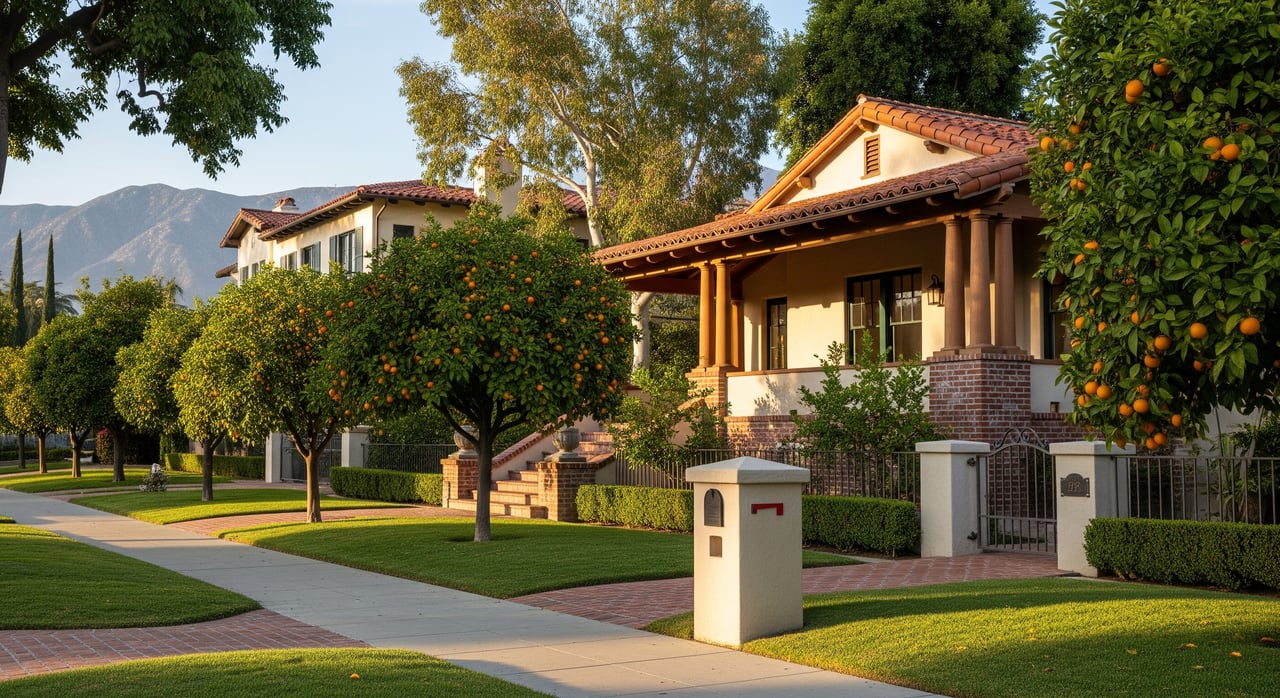
Choosing a home in Redlands often starts with a simple but important question: which neighborhood fits your family’s school needs, commute, and lifestyle. You want a clear picture before you start touring so you can focus on the right streets and the right homes. In this guide, you’ll learn how Redlands schools are organized, what to look for in ratings and boundaries, and how the city’s neighborhoods differ by housing, parks, and commute options. Let’s dive in.
How Redlands schools are organized
Redlands is primarily served by Redlands Unified School District. Public high school options include Redlands High School, Redlands East Valley High School, and Citrus Valley High School. Attendance zones determine which schools serve a given address, and those zones can change. Always verify a property’s current school assignment directly with the district before you make an offer.
Neighborhoods can feed into different elementary and middle schools within Redlands Unified. If walkability to an elementary school matters for your family, confirm distances, crossing routes, and before or after school care availability during your neighborhood search.
Making sense of school ratings
Use multiple sources to get a balanced picture. The California School Dashboard reports official performance indicators like test results, graduation rates, suspension rates, English learner progress, and chronic absenteeism. The National Center for Education Statistics lists enrollment and student-to-teacher ratios. Community-facing sites such as GreatSchools and Niche add parent reviews and broader context but use different methods.
Do three simple checks as you evaluate schools:
- Look at trends over several years rather than a single score.
- Review subgroup data for English learners and other student groups to understand how different students are supported.
- Weigh practical fit. Daily routines like drop-off, after-care, and proximity to parks may matter more than a small rating difference.
Charter and private school options
You will find charter and private school options in and around Redlands. Enrollment policies and capacity vary. If you plan to pursue a non-district option, contact the school directly for admission timelines, waitlists, and transportation details, and factor that into your neighborhood search.
Redlands neighborhoods overview
Below is a quick, buyer-focused look at how Redlands neighborhoods differ by character, housing, schools, commute, and family amenities. School assignments are always subject to current district boundaries. Verify with Redlands Unified before relying on any address-to-school assumptions.
Downtown, Smiley Park, and Historic District
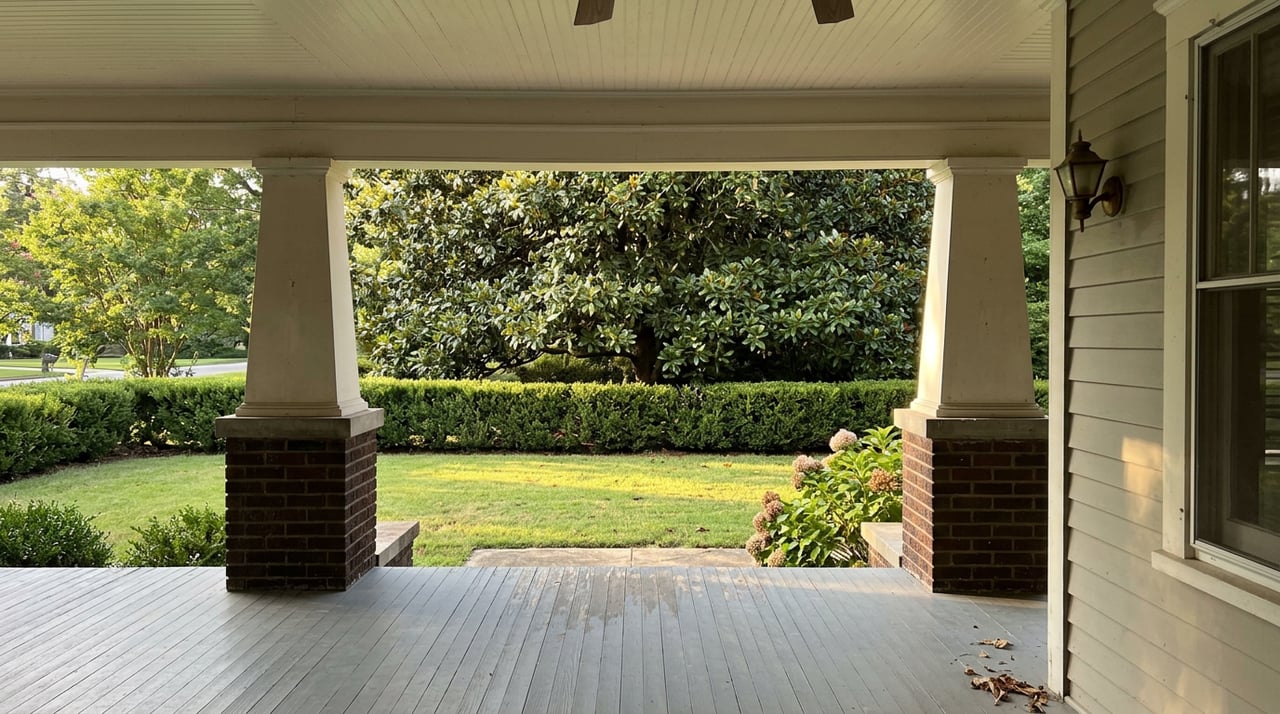
- Character: Tree-lined streets, historic homes that include Victorian, Craftsman, and early 20th-century bungalows. Walkable access to downtown shops, parks, and cultural spots.
- Housing: Mostly single-family homes on smaller lots with period details. Limited new construction. Some condos and townhomes.
- Schools: Many homes in this area feed to Redlands High School and nearby elementary schools. Verify the current boundary for your target block.
- Commute: Central location near local arterials with quick access to I-10 for regional trips.
- Family amenities: Close to city parks, libraries, and community events. University of Redlands adds cultural and athletic programming nearby.
- Buyer watch-outs: Older homes may need specialized maintenance. Inventory is tight, so move fast when the right fit appears.
University-adjacent neighborhoods
- Character: A mix of rental and owner-occupied homes near the University of Redlands. Easy access to campus activities and open spaces.
- Housing: Cottages, bungalows, and small to mid-size single-family homes. Some multiunit properties.
- Schools: Elementary and middle school assignments vary by street. High school assignment depends on the address. Confirm all three levels with the district.
- Commute: Convenient for on-campus workers and a short drive to I-10 or Redlands Boulevard for regional access.
- Family amenities: Walkable to parks and campus facilities that may host classes, performances, and sports.
- Buyer watch-outs: Higher student-rental density on certain blocks. Check parking rules and local noise ordinances if that matters to you.
Mid-century and established central areas
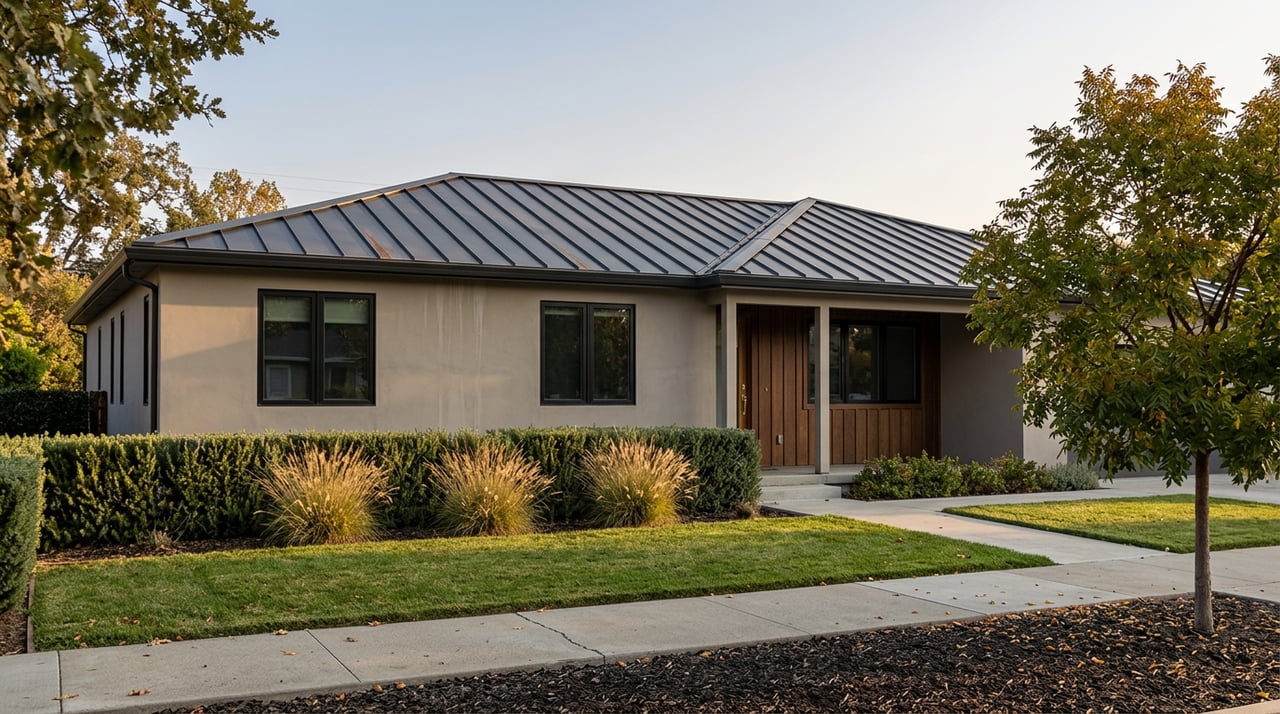
- Character: Ranch-style homes, mature landscaping, and sidewalks. A traditional suburban feel with stable streets and neighborhood pride.
- Housing: Mostly single-family homes with a range of updates. Yards suitable for play and pets.
- Schools: Several elementary options serve these areas. High school assignment depends on the address. Verify boundaries and bus routes.
- Commute: Good local street connectivity to Redlands Boulevard, Colton Avenue, and I-10.
- Family amenities: Parks, playgrounds, and access to community centers are common within a short drive.
- Buyer watch-outs: Scope for cosmetic updates can be a plus. Inspect for typical mid-century systems like plumbing and electrical.
East and South Redlands newer tracts
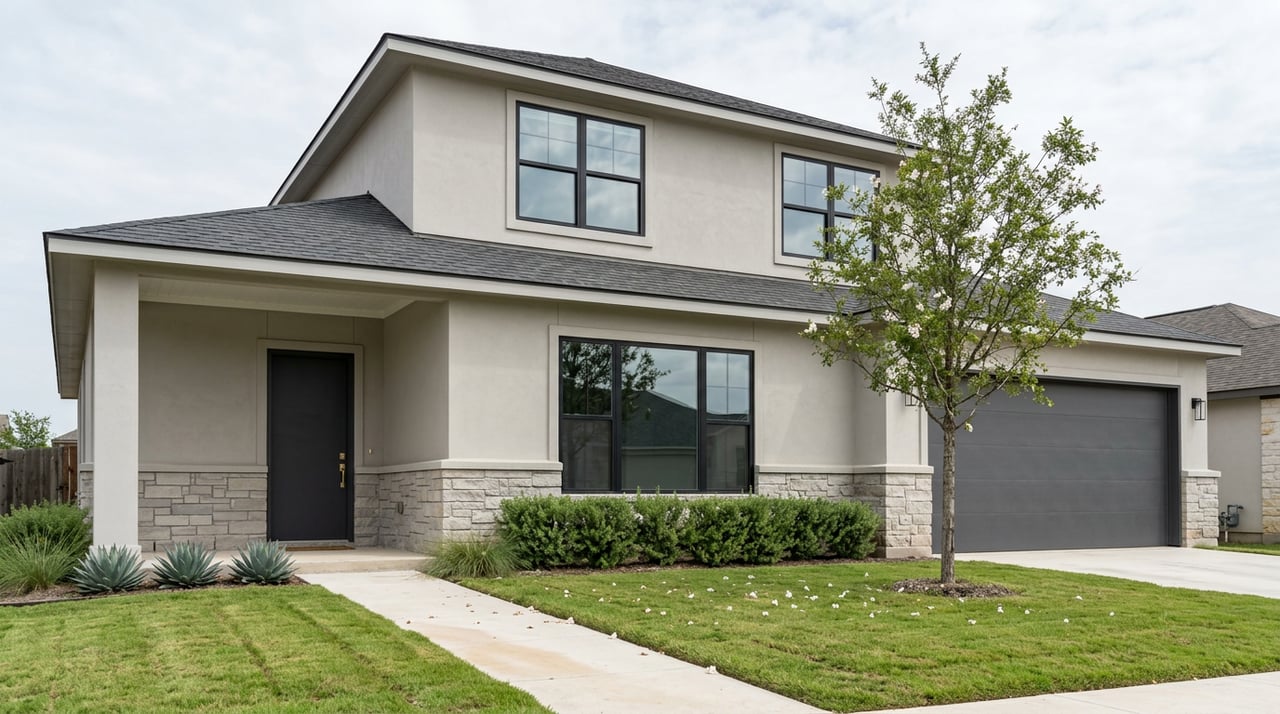
- Character: Newer subdivisions from the 1980s through the 2000s with planned streets and neighborhood parks. Some gated communities and HOAs.
- Housing: Larger single-family homes with attached garages and family-friendly floor plans.
- Schools: Many of these areas feed into Redlands East Valley High School or Citrus Valley High School, depending on location. Confirm elementary and middle assignments.
- Commute: Direct routes to I-10 and SR-210 for east-west travel. Local arterials make school drop-offs efficient.
- Family amenities: Community parks, playgrounds, and potential HOA amenities like pools or greenbelts.
- Buyer watch-outs: Some newer tracts include Mello-Roos assessments and HOA fees. Ask for the full monthly carry cost, not just principal and interest.
Hillside and foothill neighborhoods
- Character: Elevated lots with panoramic views and a quieter feel. Streets can be steeper with custom home sites.
- Housing: Custom and luxury single-family homes with larger lots and distinct architecture.
- Schools: Distance to elementary schools can vary. High school assignment depends on the address and should be verified for each property.
- Commute: Longer local drives to reach I-10 or SR-210. Plan school and activity routes during peak times.
- Family amenities: Scenic access to foothill trails and open space. Parks are often a short drive rather than walkable.
- Buyer watch-outs: Consider wildfire defensible space, hillside drainage, and insurance coverage when budgeting.
Edge neighborhoods near Mentone, Yucaipa, Highland, and Loma Linda
- Character: Transitional pockets that balance budget, commute, and access to nearby job centers and medical facilities.
- Housing: Mix of single-family homes, townhomes, and smaller-lot properties.
- Schools: Some addresses near city borders may connect with nearby districts or have boundary nuances. Verify assignments and transfer policies directly with the district.
- Commute: Convenient access to I-10, SR-210, and I-215 depending on the pocket. Good option for multi-city commutes.
- Family amenities: Close to parks and regional trail connections. Proximity to Loma Linda medical centers can be a plus for healthcare workers.
- Buyer watch-outs: Confirm district lines, property tax rates, and any special assessments before you commit.
Commute and transit in Redlands
Redlands connects to the Inland Empire through major corridors. I-10 is the primary east-west route that links Redlands to San Bernardino, Riverside, and the Los Angeles basin. SR-210 and I-215 provide access to the northern Inland Empire and tie into I-10 for regional travel.
For transit, the Arrow passenger rail connects Redlands to the San Bernardino Transit Center. From there, Metrolink provides access to Los Angeles and Orange County. Omnitrans operates bus routes within Redlands and to neighboring cities, which can be helpful for school commutes and first or last mile solutions.
Plan to test your route during real peak hours. If two adults commute in different directions, map both routes against likely school or childcare drop-offs. Small differences in neighborhood location can shave minutes from your daily routine.
Parks, recreation, and family amenities
You will find parks and playgrounds throughout Redlands, along with community centers and library branches. Neighborhood walkability, bike routes, and crossing safety vary by street, so plan a quick daytime and evening visit to check lighting, traffic speeds, and crosswalks near your target elementary school.
The nearby San Bernardino Mountains and national forest areas offer easy weekend escapes for hiking and family outings. The University of Redlands also brings cultural events, classes, and sports that families enjoy.
If proximity to healthcare is a priority, note the regional presence of major medical centers in nearby Loma Linda and throughout the Inland Empire. This can be a deciding factor for shift workers or families with frequent appointments.
Buying smart with schools in mind
Use this simple process to align your home search with your school plan:
Confirm attendance boundaries. Ask for a written school assignment confirmation from the district for any property you are serious about. Boundaries can change.
Review performance context. Check California School Dashboard indicators for trends and subgroup outcomes. Then supplement with NCES enrollment data and community reviews from sources like GreatSchools and Niche.
Visit at school hours. Drive the route at drop-off and pick-up. Check parking, crossing guards, and before or after school program access.
Budget beyond the mortgage. Include property taxes, any Mello-Roos assessments, HOA dues, and transportation costs. In newer tracts, verify special assessments through county tax records.
Think resale. High school assignment often influences long-term value. Elementary proximity can attract the next buyer. Keep both in mind to protect future resale.
Redlands vs nearby cities: how to compare
If you are weighing Redlands against places like Riverside, San Bernardino, Ontario, Rancho Cucamonga, Highland, or Yucaipa, use a consistent framework:
- Schools: Compare official California School Dashboard metrics and program offerings across the specific schools you would be assigned to in each city.
- Commute: Map peak-hour travel to both workplaces. Consider rail options through Arrow and Metrolink where available.
- Pricing: Pull the latest market snapshot for median price and days on market from a single source within days of your decision.
- Parks and programs: Count nearby parks, sports fields, and community centers that match your family’s routine.
- Carry costs: Line up property taxes, Mello-Roos, and HOA dues for a true monthly comparison.
Next steps
If you want a clear, step-by-step plan that matches neighborhoods to your school and commute needs, reach out. I can help you verify boundaries, map peak-hour routes, and target listings that fit your budget and daily routine. When you are ready, connect with John Wagner to start your Redlands home search.
FAQs
How do Redlands school boundaries affect a home search?
- Boundaries determine your assigned schools and can change, so verify a property’s current elementary, middle, and high school with the district before you write an offer.
What are the main Redlands public high schools?
- Redlands High School, Redlands East Valley High School, and Citrus Valley High School serve different attendance areas within Redlands Unified School District.
How should I evaluate school ratings in Redlands?
- Use the California School Dashboard for official metrics, check trends over time, and then add context from NCES data and community-focused sites like GreatSchools and Niche.
Does Redlands have commuter rail connections?
- Yes, the Arrow passenger rail connects Redlands to the San Bernardino Transit Center, where you can transfer to Metrolink for trips across the region.
Do newer Redlands neighborhoods include Mello-Roos or HOAs?
- Some newer subdivisions include Mello-Roos assessments and HOA dues, so ask for the full monthly carry cost and confirm details through tax records and HOA documents.
How can I compare Redlands to nearby Inland Empire cities?
- Use a single, current data source for prices, map both commutes during peak hours, compare assigned schools using the Dashboard, and include taxes, Mello-Roos, and HOA fees in your budget.