Thinking about Redlands and wondering what day-to-day life really feels like? You’ll find a small-city rhythm with historic charm, a walkable downtown, and easy access to mountain recreation on the weekends. If you want a community with character and practical conveniences, Redlands delivers. In this guide, you’ll learn how neighborhoods differ, how people get around, where services and schools are located, and what to expect from the climate and housing. Let’s dive in.
Daily life and city vibe
Redlands blends a college-town feel with long-established neighborhoods and a lively downtown. Weekdays start with school drop-offs and commutes, while the University of Redlands adds steady campus energy during the day. Evenings and weekends often revolve around parks, State Street dining, and seasonal music and arts.
Local employers shape routines. Education, healthcare, retail, and public sector jobs anchor many schedules, and you’ll notice that during rush hours and lunch breaks. The city’s size keeps most errands close to home, especially near downtown and the university area.
Neighborhoods and housing
Redlands offers a clear mix of historic districts, university-adjacent streets, and newer suburban tracts. Your ideal fit depends on the type of home and lifestyle you want.
Historic districts near downtown
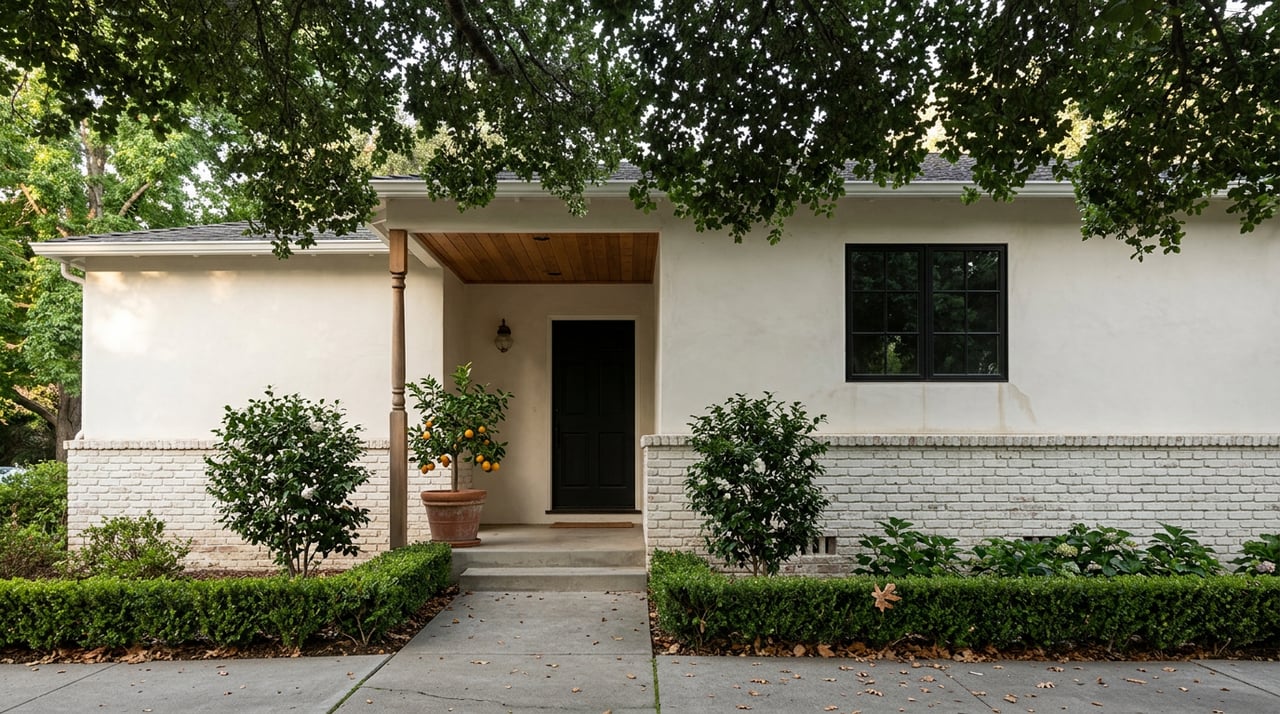
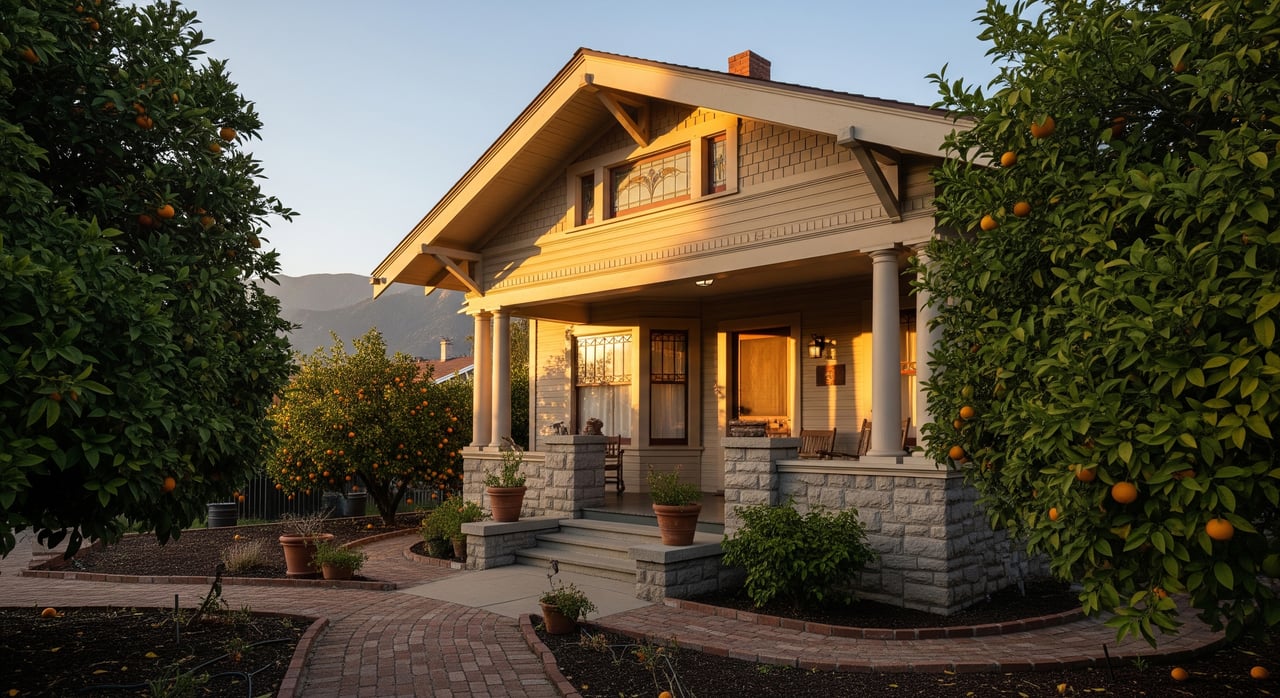
Close to State Street and areas like Smiley Park, you’ll see Victorian and Craftsman homes, tree-lined blocks, and established yards. People choose these streets for architectural character and proximity to cafés, shops, and community events. Many homes are older, so plan for routine maintenance and potential upgrades over time.
Near the University of Redlands
Blocks around the campus include a mix of rentals and owner-occupied homes. You’ll see more pedestrian activity, plus easy access to lectures, concerts, and community programming through the University of Redlands.
Newer suburban tracts
On the city’s edges, you’ll find larger lots and more recent construction. These neighborhoods often provide family-oriented layouts, attached garages, and more driveway parking. Drive times to the historic core can be longer, but you get space and newer systems.
Foothill and rural-edge properties
Toward the foothills and nearby communities, you can find larger parcels and a closer connection to open space. These settings trade quick downtown access for privacy and a more rural feel.
Upkeep and maintenance
Single-family homes dominate Redlands. Older properties sometimes need seismic retrofits, electrical and plumbing updates, roof work, or repainting. If you love character homes, factor maintenance into your budget and timeline.
Buying or renting
Rental demand stays steady near the university and downtown, with more family rentals in suburban tracts. Purchase prices have historically trended higher than some Inland Empire neighbors, yet remain lower than many coastal markets. For current pricing and inventory, review recent MLS data and local market reports before you tour.
Schools and education
Redlands Unified School District operates most public schools in the area, including Redlands High School and Redlands East Valley High School. School performance varies by campus, so review accountability reports and boundary maps on the Redlands Unified School District site and the California Department of Education before you shortlist neighborhoods.
The University of Redlands serves as a cultural anchor. You can attend public lectures, concerts, and seasonal arts events that enrich the wider community.
Healthcare and daily services
Redlands Community Hospital provides primary acute care for the city and surrounding region. You’ll also find clinics, urgent care, dental practices, and specialty providers locally, with larger specialty centers in nearby cities.
Everyday errands are simple. Downtown State Street and nearby corridors offer grocery stores, pharmacies, banks, and restaurants. The City of Redlands manages library branches, community centers, and parks programming that keep families active year-round.
Getting around
Driving and freeways
Interstate 10 is the main artery connecting Redlands to San Bernardino, Ontario, and the L.A. basin. Drives to downtown San Bernardino or Ontario often fall in the 15 to 35 minute range depending on location and traffic. Commutes to central Los Angeles or coastal job centers can run 60 to 90 minutes or more in typical congestion.
Arrow rail and Metrolink
The Arrow passenger rail links Redlands to the San Bernardino Transit Center, where you can connect to Metrolink for westbound travel toward Los Angeles. Check the SBCTA for the Arrow service overview and use Metrolink for route planning and schedules.
Buses and biking
Omnitrans runs city and regional bus routes that cover many local destinations. Walking is most convenient around downtown and the university area. Bike infrastructure varies by street, so plan routes in advance.
Airports and park-and-ride
Most residents use Ontario International Airport for flights, with LAX as a backup for broader options. Park-and-ride lots and transit center connections can help if you combine driving with Arrow or Metrolink.
Parks, downtown, and culture
Downtown’s State Street anchors the local scene with restaurants, coffee shops, and independent stores. Cultural landmarks include the Lincoln Memorial Shrine and civic museums, while the Redlands Bowl hosts a beloved summer concert series. Around town, city parks offer playgrounds, sports fields, and picnic areas.
Weekend adventures are easy. You can head toward the San Bernardino National Forest for hiking, mountain biking, and winter activities. That proximity to the mountains is a quality-of-life boost if you enjoy quick getaways.
Climate, hazards, and preparedness
Expect hot, dry summers and mild winters typical of inland Southern California. Some days can bring regional air-quality issues or wildfire smoke. Earthquakes are a statewide reality, and foothill or wildland-adjacent properties can have elevated wildfire risk. Localized flooding can occur in certain drainages.
If you are evaluating a property, review site-specific risks and consider practical steps like emergency kits, seismic retrofits on older homes, and defensible space where appropriate. Agency resources such as Cal Fire and FEMA offer hazard and flood-mapping tools that can help you plan.
Cost of living and market feel
Living costs in Redlands are generally lower than coastal Los Angeles and Orange County, and higher than many rural inland areas. Housing is the largest variable, and monthly costs depend on neighborhood, home age and condition, and mortgage terms. The market appreciated notably through the late 2010s and then shifted after 2022. Check current MLS data for median prices, days on market, and inventory before making an offer.
Pros and trade-offs
Pros
- Historic downtown, strong civic character, and university events.
- Family-oriented parks and a range of housing types.
- More attainable pricing than many coastal areas.
- Improved regional transit with Arrow, plus buses and freeway access.
Trade-offs
- Long, variable commutes to coastal job centers and car-heavy routines in many areas.
- Hot summers and occasional air-quality challenges, with real earthquake and wildfire considerations.
- Older homes may need ongoing maintenance and upgrades.
How to explore Redlands like a local
- Start on State Street for coffee, then walk a few historic blocks to get a feel for the architecture and tree canopy.
- Drive through a newer tract on the city’s edge to compare layouts and lot sizes.
- If transit matters to you, sample an Arrow ride to San Bernardino and time your transfer to Metrolink.
- Visit a few parks, then check the Redlands Bowl’s schedule for a seasonal concert.
- Review RUSD school boundaries on the district site to match homes with your preferred campuses.
- For healthcare access, note proximity to Redlands Community Hospital.
- Use commute apps during peak hours to test your specific drive times.
Ready to zero in on neighborhoods, tour homes, and map out a smart plan? Connect with John Wagner for process-driven guidance and local insight tailored to your move.
FAQs
Is Redlands a good place to raise a family?
- Consider proximity to parks, your target schools using Redlands Unified and state reports, and neighborhood-by-neighborhood fit based on your daily routine.
How long are commutes to major job centers from Redlands?
- Plan for roughly 15 to 35 minutes to San Bernardino or Ontario in typical traffic, and 60 to 90 minutes or more to central Los Angeles depending on time and route.
Which Redlands neighborhoods have historic homes?
- You’ll find many historic-era homes near downtown, including districts around Smiley Park and Olive Avenue corridors, with walkable access to State Street.
What are the schools like in Redlands?
- School performance varies by campus; check the Redlands Unified School District and the California Department of Education for accountability reports and boundaries.
Are there hospitals and specialty care in Redlands?
- Yes. Redlands Community Hospital provides acute care locally, with broader specialty services available in nearby cities.
What natural hazards should Redlands homeowners prepare for?
- Plan for earthquake safety, review wildfire risk especially near foothills, and evaluate flood mapping at the property level using official agency resources.