Thinking about trading square footage for simplicity? If you are planning a downsize in Yucaipa, you can find one-level living, manageable yards, and a slower pace without giving up the Inland Empire lifestyle. It is a big decision, and the details matter, from price bands to HOA rules and special taxes. In this guide, you will learn what you can buy, what truly affects affordability, and how to time your move with confidence. Let’s dive in.
Yucaipa at a glance for downsizers
Yucaipa offers a small-city feel with access to mountains, orchards, and regional healthcare. The population is in the mid‑50,000s, and about 16% of residents are age 65 or older, according to U.S. Census QuickFacts. That share signals strong retiree appeal and services that tend to follow. You can review the local snapshot on the U.S. Census QuickFacts page for Yucaipa.
As for prices, the median sale price was about $595,000 in January 2026 (Redfin). If you want single-story living, Yucaipa has plenty of one‑level homes. A typical single‑story listing hovered around the mid‑$500ks in January 2026 based on local single‑story inventory views.
Bottom line: you have options at several price points, especially if you prioritize one‑level floor plans and modest outdoor space.
What you can buy in Yucaipa
Manufactured and small condo options
If you want the lowest entry price, manufactured homes and small condos often sit in the low‑$100ks to low‑$200ks range as of early 2026. Space rent and park rules vary for manufactured homes, so build those into your monthly budget. If you plan to remodel or add accessibility features, confirm what is allowed in the community rules before you buy.
55+ active‑adult neighborhoods
Yucaipa has established 55+ communities, including Sun Park clusters with shared amenities like greenbelts, clubhouses, and pools. Recent sales commonly land in the low‑ to mid‑$300ks. These neighborhoods often deliver easy maintenance, social programming, and a one‑level layout that suits aging in place. Ask for the HOA resale documents early so you can check rules, pet policies, and any rental limits.
Single‑story detached homes
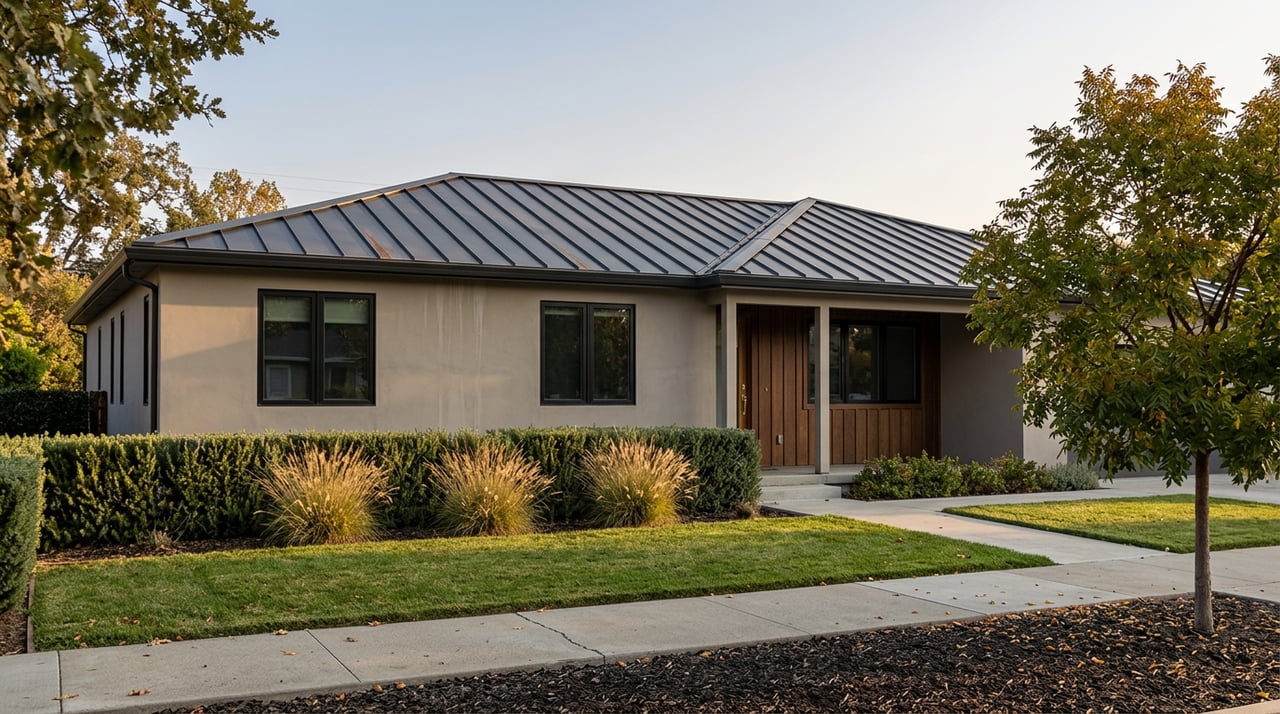
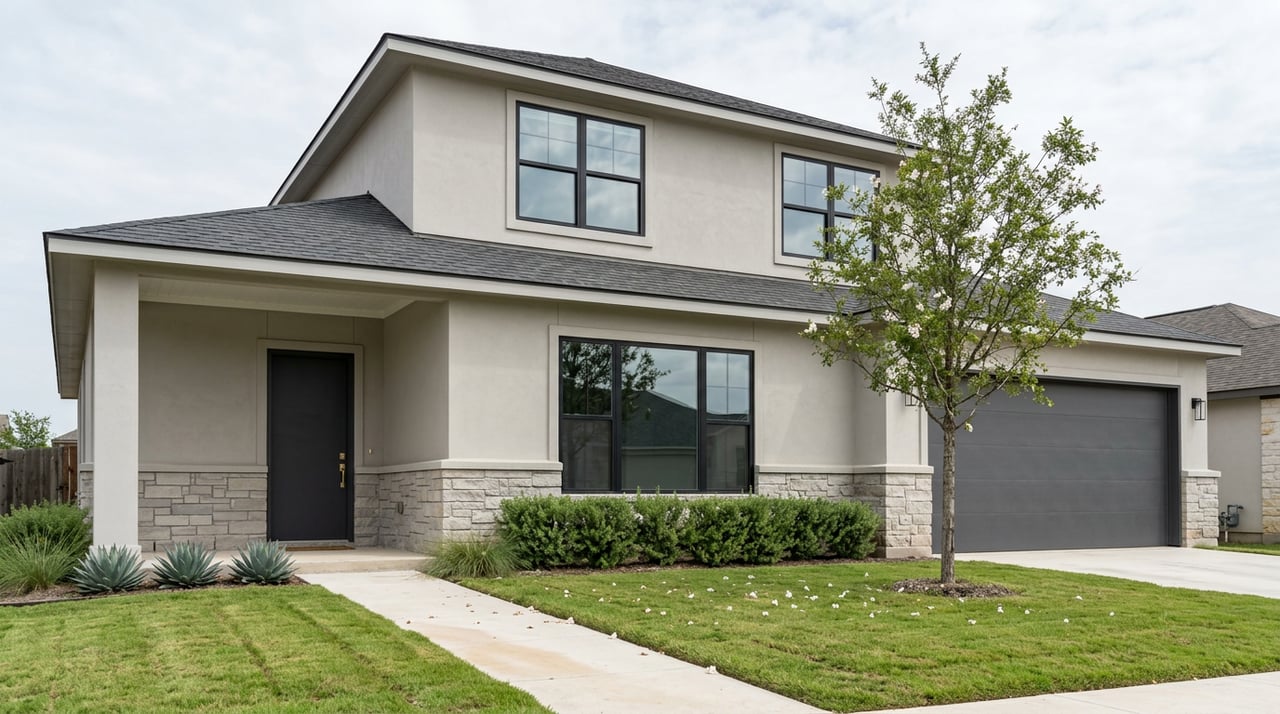
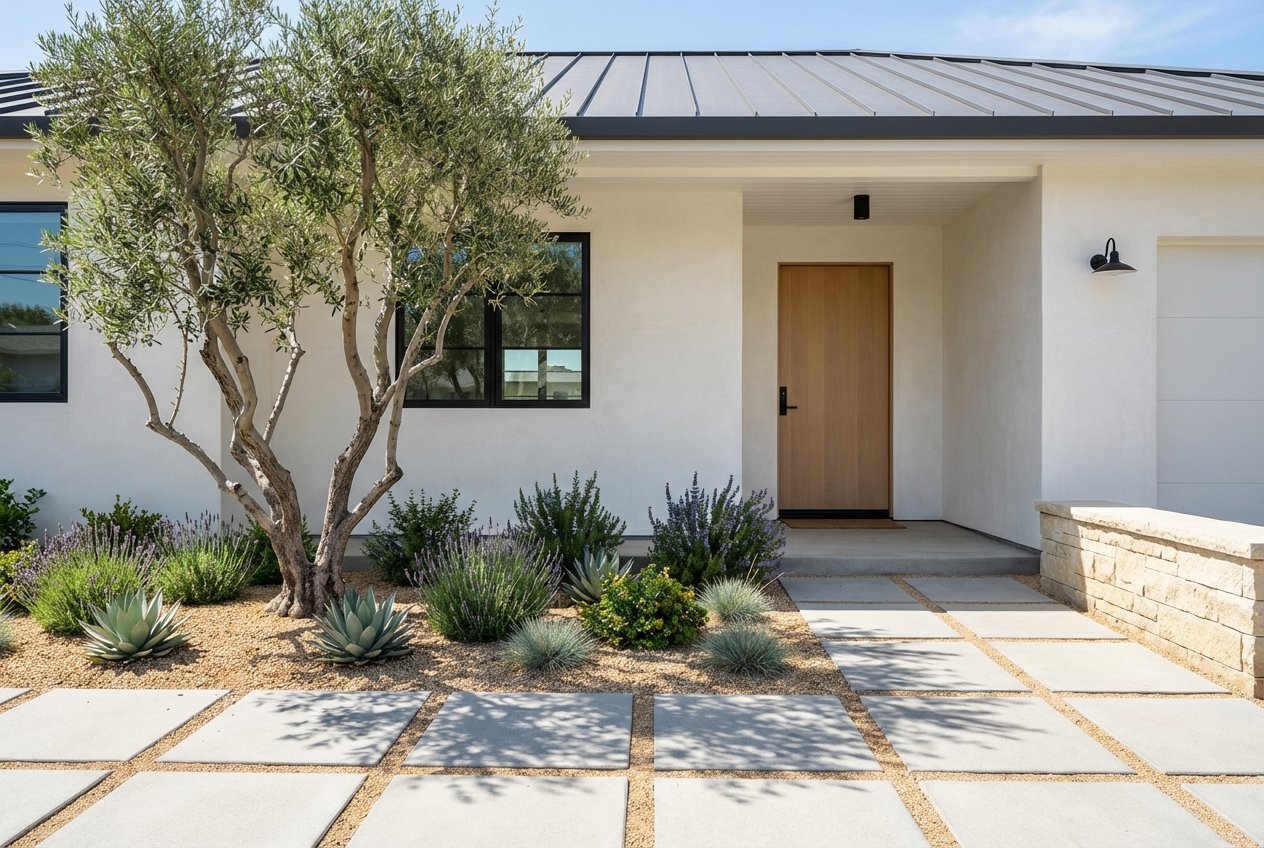
If you want a traditional home and yard, single‑story ranches are common. As of January 2026, you can expect broad pricing from the low‑$400ks through $700k+, depending on age, lot size, upgrades, and views. Mid‑market options often fall near the mid‑$500ks. Focus on features that support long‑term comfort, like a no‑step entry, wide halls, and a walk‑in shower.
What really drives affordability
A good list price is only the start. Your all‑in cost will depend on ongoing fees, taxes, and maintenance.
HOA dues and what to review
HOAs are common for condos, certain planned neighborhoods, and many manufactured‑home parks. Dues vary by community and amenities. Some fees cover landscaping, a clubhouse or pool, and exterior building insurance. Others include water or sewer in park environments. Before you commit, read the HOA resale packet to confirm rules, insurance scope, reserves, rental policies, and any pending special assessments. For context on typical HOA transfer and administrative costs you might see at closing, review this overview of HOA transfer fees.
Special taxes: Mello‑Roos and CFDs
Some newer neighborhoods finance infrastructure through Community Facilities Districts, often called Mello‑Roos. If a home is inside a CFD, you will see a separate line item on the property tax bill. The amount and end date vary by district. Yucaipa has used CFDs in planning areas such as Chapman Heights, with public records confirming the framework. You can verify if a parcel carries a special tax by reviewing the county’s special tax resources or by asking for the most recent tax bill and the preliminary title report during escrow.
- See how to look up special taxes using the county portal.
- Review example CFD documentation related to the Chapman Heights area.
Maintenance and small upgrades
Plan for routine items like roof care, HVAC service, water heaters, and yard work. For aging in place, budget for simple, high‑impact updates: grab bars in baths, lever handles, brighter lighting, and a low‑threshold shower. If the home is in an HOA, confirm rules for exterior changes, ramps, or railings before scheduling work.
Time your sale and purchase
Downsizing often means coordinating two moves. Here are the common strategies, with plain‑English pros and cons.
Sell first, then buy
- Pros: You know your net proceeds and avoid carrying two mortgages. Planning is simpler, and you can write a clean offer once your funds are in hand.
- Cons: You may need temporary housing or storage while you shop. In a competitive moment, you could miss a great single‑story if inventory is tight that week.
Buy first
- Pros: You move once and can write a stronger, non‑contingent offer. This helps if you are targeting a popular 55+ home or a turnkey single‑story.
- Cons: You need enough cash or a short‑term financing tool, like a bridge loan. Expect higher costs and the possibility of holding two mortgages for a short time. Talk to multiple lenders so you understand underwriting rules and fees.
Use contingencies and a rent‑back
- A home‑sale contingency protects you if you must sell before closing on the new place, but it can be less attractive to sellers.
- A rent‑back agreement lets a seller stay for a set period after closing. The agreement should spell out rent, insurance, liability, move‑out date, and any holdover penalties. Lender limits may apply, so clear this with your lender early.
A step‑by‑step downsizing roadmap
Follow this simple sequence to keep stress low and decisions clear.
- Define your target home type and budget
- Choose between a manufactured/condo option, a 55+ community, or a single‑story detached home.
- Use local medians as a guide. As of January 2026, the overall median sale price was about $595,000 (Redfin), and many single‑story homes hover near the mid‑$500ks.
- Get a market valuation and lender pre‑approval
- Request a current market valuation and net‑proceeds estimate for your existing home.
- Secure a pre‑approval for your Yucaipa purchase. Ask your lender about rent‑back limits and bridge‑loan options in case you want flexibility.
- Check property tax portability under Prop 19
- If you are 55+ or meet other qualifying criteria, you may be able to transfer your property tax base to your new home. Review the California Board of Equalization’s Proposition 19 guide and contact the county assessor for filing steps.
- Shortlist neighborhoods and request key documents
- When a home catches your eye, request three items before you finalize your numbers: the HOA resale certificate, the most recent property tax bill, and the preliminary title report.
- Confirm any special taxes through the county special tax portal and review recorded CFD documentation where relevant.
- Decide your timing strategy
- Choose between sell‑first, buy‑first, or using a home‑sale contingency and possible rent‑back.
- If buying first, compare short‑term financing options and carrying costs. If selling first, plan a flexible possession date or a short rent‑back.
- Plan your move logistics
- Declutter room by room, schedule staging consults, get storage and moving quotes, and map any accessibility updates you want done before move‑in.
- Verify final numbers in escrow
- Confirm HOA transfer and move‑in fees, property tax proration and any supplemental tax, and any special assessments disclosed in the HOA resale packet. This HOA transfer fee overview offers a helpful reference for the types of fees you may see.
Everyday living and aging in place
Healthcare access within a short drive
Yucaipa residents commonly use Redlands Community Hospital in Redlands and Loma Linda University Medical Center in Loma Linda for specialty and acute care. Quick access to these regional centers is a meaningful plus if you prioritize medical services and follow‑up care.
- Explore Redlands Community Hospital services.
- See Loma Linda University Medical Center.
Recreation and community
You are close to the foothills, trails, and seasonal outings. The Oak Glen orchard area is a well‑known local destination for apple picking, walks, and weekend events. The San Bernardino County Yucaipa Branch Library also invests in programs and facility updates, which signals ongoing community support and fresh spaces for learning and connection.
- Read about Oak Glen and seasonal activities.
- See the County’s update on the Yucaipa Branch Library facility refresh.
Practical home features to prioritize
- Single‑level layouts with few interior steps.
- Main‑floor primary bedroom and a walk‑in shower.
- Attached garage with easy kitchen access.
- Low‑maintenance yards and drought‑tolerant landscaping.
If mobility needs evolve, consider an occupational therapy home‑safety assessment and consult local contractors for grab bars, lighting, and entry improvements. Always confirm HOA rules for exterior or visible changes.
Final thoughts
Downsizing in Yucaipa can deliver a simpler daily routine, strong healthcare access, and a community feel, all within realistic price bands. Focus on the big levers that impact your budget: HOA rules and dues, special taxes, and the way you time your sale and purchase. With a clear plan, you can make one confident move and enjoy the next chapter.
If you want a step‑by‑step plan tailored to your timeline, budget, and must‑have features, connect with John Wagner to get started.
FAQs
What is the current median home price in Yucaipa?
- As of January 2026, the median sale price was about $595,000 based on market reporting. Prices shift monthly, so verify current numbers when you are ready to shop.
How much do single‑story homes in Yucaipa typically cost?
- Many one‑level homes fall near the mid‑$500ks as of January 2026, with a broader range from the low‑$400ks to $700k+ depending on age, lot size, location, and upgrades.
Are there 55+ communities in Yucaipa and what do they cost?
- Yes. Established 55+ neighborhoods, including Sun Park communities, often trade in the low‑ to mid‑$300ks based on recent examples. Check HOA rules and fees early in your search.
What is Mello‑Roos (CFD) and how do I know if a Yucaipa home has it?
- Mello‑Roos is a special tax used to fund infrastructure in certain districts. If a property is inside a CFD, you will see a separate line on the tax bill. Review the county’s special tax portal and the preliminary title report, and ask for the latest tax bill to confirm.
What do HOA dues usually cover in Yucaipa?
- It varies by community. Dues may include landscaping, common‑area upkeep, clubhouse or pool amenities, and part of the insurance on exterior structures. Read the HOA resale packet for exact coverage, rules, and any pending assessments.
Can I transfer my property tax base when I downsize to Yucaipa?
- If you are 55+ or otherwise eligible under Proposition 19, you may be able to transfer your base‑year value to your new home. Review the state guidance and consult the county assessor for forms and deadlines.